
Your Research Toolkit: From Zero to Economics Hero | Kapeel Gupta
Today, I want you to close your eyes for just a moment.
Picture this - it's 2030. You're sitting in a sleek office, maybe in Mumbai, Delhi, or even London. Your laptop screen shows complex economic models that you've built, data visualizations that tell stories about India's economy, and research papers with your name on them that are changing how people think about poverty, inequality, or climate change. Your phone buzzes - it's an interview request from CNBC because your latest research on cryptocurrency's impact on rural India is trending worldwide.
Sounds like a dream? Friends, I'm here to tell you - this dream is just one toolkit away from becoming your reality.
But here's the truth that nobody talks about. Five years ago, I was exactly where many of you are today. Sitting in a small room in Delhi, scrolling through job portals, wondering how these economics researchers on LinkedIn seemed to speak a different language. They talked about R, Python, FRED data, and something called DSGE models. I felt like they were speaking in code.
The painful reality? Most of us graduate with economics degrees but we can barely use Excel properly. We know economic theories by heart, but we can't analyze real data to save our lives. We understand concepts like GDP and inflation, but we've never actually pulled GDP data from government databases or built our own inflation models.
Today, I'm going to change that for you. Today, we're diving deep into the exact tools that separate economics students from economics researchers. The tools that transform your CV from "just another economics graduate" to "this person can actually solve real economic problems."
And here's what makes me emotional about this topic - every single day, I see brilliant young minds in India giving up on their economics dreams because they think research is only for those from IITs or foreign universities. But friends, the internet has democratized everything. The same tools used by economists at the World Bank, Reserve Bank of India, or MIT are available to you right now, today, for free or at very low cost.
So whether you're in a tier-1 city or a small town, whether you're from St. Stephen's or a local college, this episode is your equalizer. This is your chance to level up and compete with anyone, anywhere in the world.
Are you ready? Let's build your economics research superpowers, one tool at a time.
Hello all, I am Kapeel Gupta, founder of study abroad academy. I am on a mission to coach and mentor 100,000 high school students and help them realize their dream of studying in the best universities of the world and build happy & successful careers for themselves.
#### Why Tools Matter More Than Your College Name
Friends, let me start with a story that will shock you. Last year, I was reviewing applications for a research position at a leading think tank. We received resumes from IIM graduates, Delhi School of Economics students, and even some international candidates. But you know who got the job? A graduate from a relatively unknown college in Pune.
Why? Because while others wrote "familiar with data analysis" on their resumes, this person had GitHub repositories showing actual projects. While others claimed "strong quantitative skills," this person had built interactive dashboards using Tableau showing unemployment trends across Indian states. While others talked about economic theories, this person had used R to analyze the impact of GST on small businesses using real data.
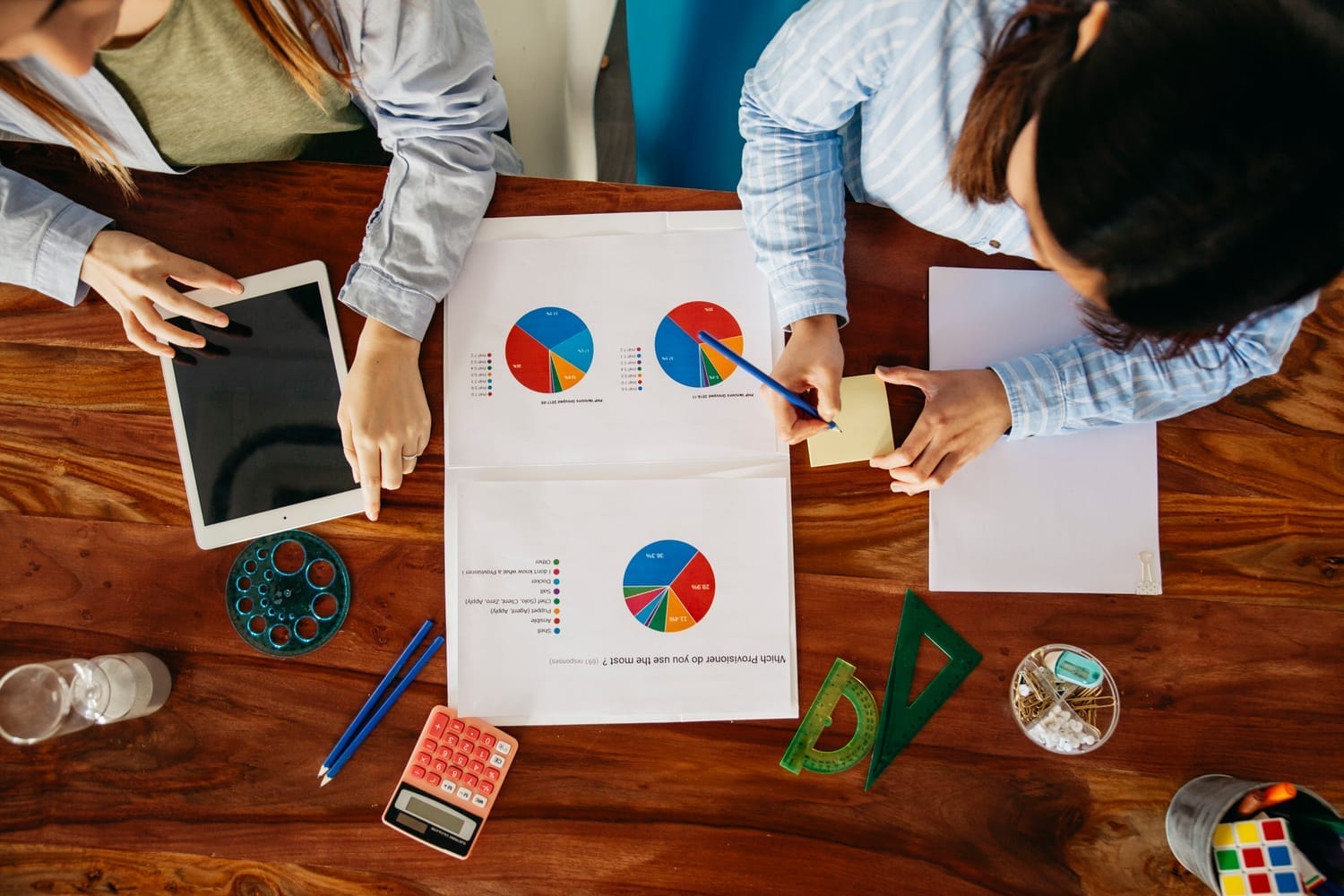
The lesson? In today's economics research world, your tools speak louder than your college name. Employers don't just want to know that you understand supply and demand curves - they want to see that you can build those curves using real data, analyze them statistically, and present findings that can influence policy decisions.
#### The Four Pillars of Economics Research Tools
Think of economics research tools like building a house. You need four strong pillars:
Pillar 1: Data Analysis Tools - These are your foundation
Pillar 2: Data Source Platforms - These are your raw materials
Pillar 3: Communication Tools - These are your windows and doors that let others see your work
Pillar 4: Collaboration Tools - These help you work with teams and share your research
Let's explore each pillar in detail.
#### PILLAR 1: DATA ANALYSIS TOOLS - Your Research Superpowers
##### R and RStudio: The Swiss Army Knife
Friends, if you learn only one tool from this entire episode, make it R. And no, I don't mean the letter R - I'm talking about the programming language that's completely free and used by economists worldwide.
Think of R like WhatsApp for economists. Just like everyone uses WhatsApp to communicate, almost every serious economics researcher uses R to analyze data. The Reserve Bank of India uses R. The World Bank uses R. Even the Indian Statistical Institute uses R extensively.
But why R? Imagine you want to analyze how demonetization affected different sectors of the Indian economy. With Excel, you'd be clicking and dragging for hours, probably making mistakes. With R, you write a few lines of code, and boom - you can analyze data from hundreds of companies across dozens of sectors in minutes.
Here's what makes R amazing for economics:
- It's completely free (unlike software that costs lakhs)
- It has packages specifically designed for economics research
- You can create beautiful graphs that look professional
- You can automate repetitive tasks
- Your work is reproducible - others can verify your results
RStudio is like having a personal assistant for R. It makes using R much easier and more organized. And R Markdown? It's pure magic. You can write your research report and include your analysis code in the same document. When your data updates, your entire report updates automatically. No more copy-pasting graphs and tables!
##### Python: The Rising Star
If R is like WhatsApp, Python is like Instagram - it's trendy, powerful, and growing rapidly in the economics world. Many new economics researchers are choosing Python because it's versatile.
Python with pandas (for data manipulation), scikit-learn (for machine learning), and statsmodels (for statistical analysis) creates a powerful combination. The best part? Python skills are transferable. Learn Python for economics, and you can also work in fintech, consulting, or even start your own data analytics company.
I know what you're thinking - "Kapeel, do I need to learn both R and Python?" Here's my honest advice: Start with R if you want to focus purely on economics research. Start with Python if you want to keep your options open for different career paths. But don't stress about choosing wrong - learning one makes learning the other much easier.
##### Stata: The Old Reliable
Stata is like the Maruti 800 of economics software - not the fanciest, but reliable and widely used, especially in academic research. Many economics journals prefer research done in Stata because it's standardized and well-documented.
The challenge? Stata is expensive. But here's a secret - many universities have Stata licenses that students can use. Check with your college's computer lab or library. Some universities even provide remote access to Stata.
##### SPSS: The Survey Specialist
If you're interested in survey-based research - like studying consumer behavior, election predictions, or social issues - SPSS is your friend. It's particularly good for analyzing questionnaire data and conducting market research.
Think of SPSS as that friend who's really good at organizing parties. It excels at taking messy survey responses and turning them into meaningful insights.
#### PILLAR 2: DATA SOURCE PLATFORMS - Your Raw Materials
Imagine you're a chef. You might have the best cooking skills, but without quality ingredients, you can't create amazing dishes. Similarly, the best analysis tools are useless without good data. Let me introduce you to the treasure troves of economic data available online.
##### FRED: America's Economic Data Goldmine
FRED (Federal Reserve Economic Data) is like the Netflix of economic data. It has over 800,000 economic time series from 100+ sources. Want to analyze the relationship between oil prices and Indian stock markets? FRED has oil price data. Want to study how US interest rates affect Indian rupee? FRED has both US and international data.
The best part? It's completely free and you can download data directly into R or Python. Many successful research papers have been built using FRED data.
##### World Bank Open Data: Global Development Insights
The World Bank Open Data platform is like having access to a research library covering every country in the world. Poverty rates, education statistics, health indicators, environmental data - it's all there, free and well-organized.
I recently helped a student analyze the relationship between female literacy rates and economic growth across South Asian countries. All the data came from World Bank's platform, and the resulting research paper was accepted at a national economics conference.
##### OECD.Stat and IMF Data: International Perspectives
OECD.Stat and IMF Data are like having diplomatic access to economic information from the world's most developed countries. These platforms provide high-quality, standardized data that's perfect for international comparative studies.
##### Bloomberg Terminal: The Professional's Choice
Now, Bloomberg Terminal is the Rolls Royce of financial data. It costs around ₹2 lakh per year, so you won't have personal access as a student. But here's the thing - many financial firms, business schools, and even some universities have Bloomberg terminals. Learning to use Bloomberg can set you apart in finance-focused economics research.
##### Indian Data Sources: Don't Forget Home
While international data is exciting, don't ignore Indian sources:
- Reserve Bank of India's Database on Indian Economy (DBIE)
- Ministry of Statistics and Programme Implementation data
- NITI Aayog's data portal
- MOSPI (Ministry of Statistics and Programme Implementation)
These sources are goldmines for research on Indian economic issues and are often underutilized by researchers.
#### PILLAR 3: COMMUNICATION TOOLS - Making Your Research Shine
Having great analysis is like having a brilliant idea - it's worthless if you can't communicate it effectively. Here are the tools that will make your research presentations and papers look professional.
##### LaTeX and Overleaf: Professional Document Creation
LaTeX might seem intimidating at first - it's like learning to drive a manual car when you're used to automatic. But once you master it, you'll never go back to Word for research papers.
LaTeX automatically handles citations, creates beautiful mathematical equations, and ensures your document formatting is perfect. Overleaf makes LaTeX accessible through your web browser - no software installation needed.
Here's why economists love LaTeX:
- Mathematical equations look professional
- Citations and bibliography are handled automatically
- Your document formatting stays consistent
- You can collaborate with others in real-time
- It's free and used by top academic journals
##### Tableau and Power BI: Data Visualization Magic
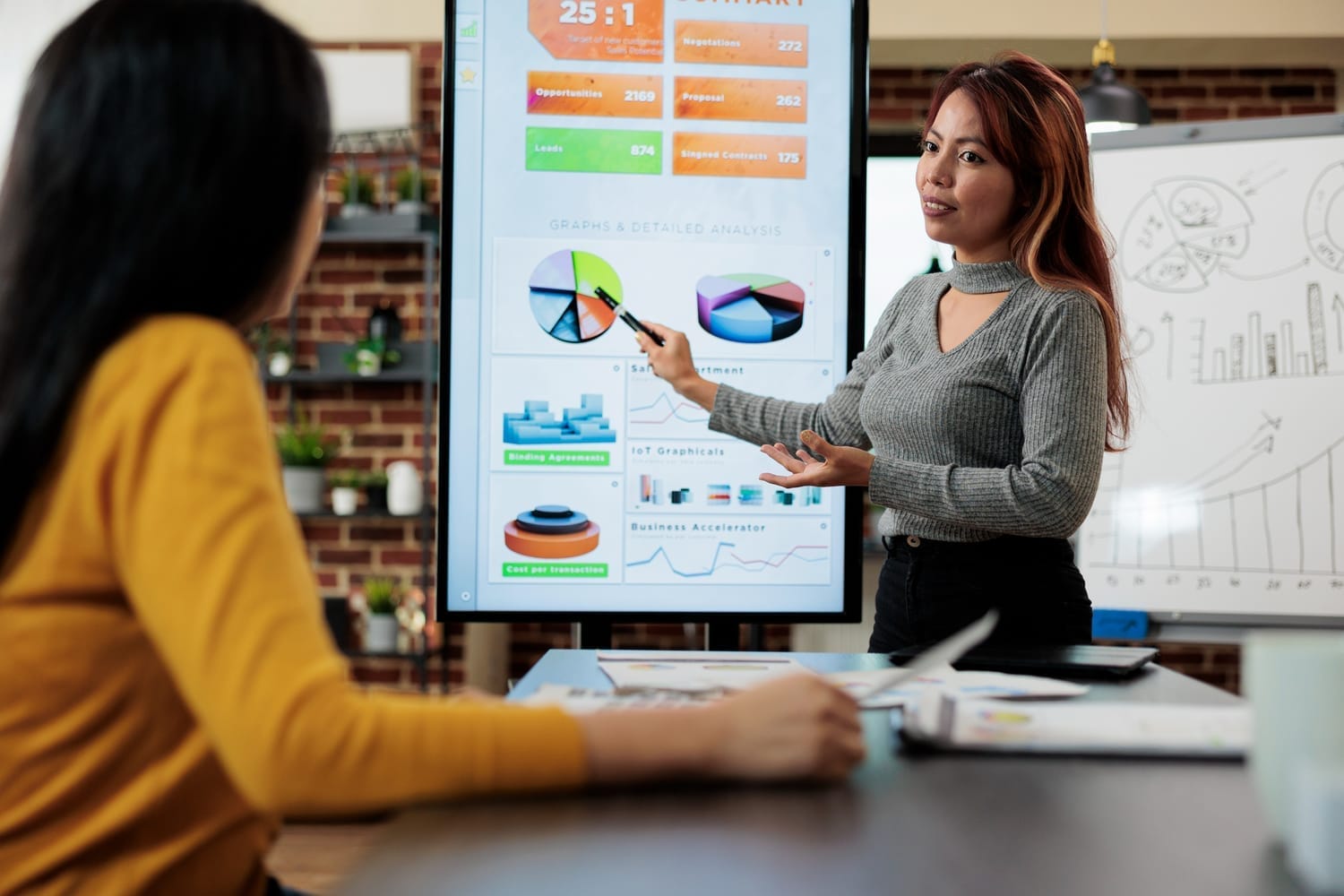
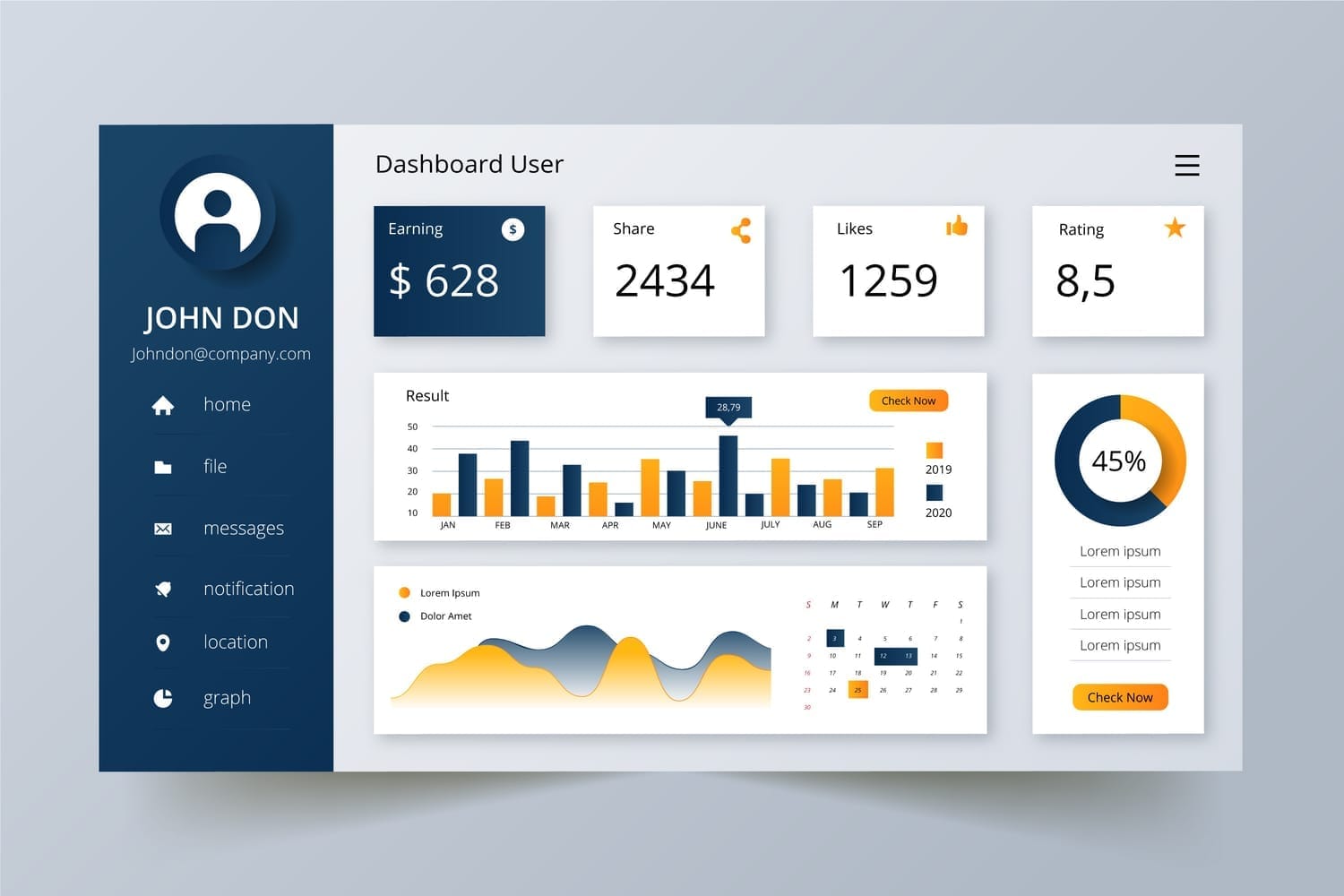
Remember those boring economic graphs in your textbooks? Tableau and Power BI can transform your economic analysis into interactive, beautiful visualizations that tell compelling stories.
Imagine creating an interactive dashboard showing how different Indian states' economies have grown over the past decade. Users can click on different states, filter by time periods, and see the data update in real-time. That's the power of modern data visualization tools.
Power BI integrates well with Microsoft Office, while Tableau is more specialized for data visualization. Both offer student discounts or free versions.
##### Figma and Canva: Making Economics Look Good
Let's be honest - economics research can look boring. Figma and Canva help you create infographics, presentation slides, and visual summaries that make economic concepts accessible to broader audiences.
These tools are especially valuable if you want to communicate economic research through social media, blog posts, or public presentations.
#### PILLAR 4: COLLABORATION TOOLS - Working with Others
Modern economics research is rarely a solo activity. You'll work with professors, fellow students, policy makers, and international collaborators. Here are the tools that make collaboration seamless.
##### Git and GitHub: Version Control for Researchers
Git and GitHub might sound technical, but think of them as Google Drive for code and research projects. They track every change you make, allow multiple people to work on the same project simultaneously, and ensure you never lose your work.
Many economics researchers now showcase their work on GitHub. It's like having a portfolio that demonstrates your technical skills to potential employers.
##### Zotero and Mendeley: Reference Management
Zotero and Mendeley are like having a personal librarian who organizes all your research papers, automatically creates citations, and syncs across all your devices.
Instead of manually typing citations and maintaining bibliography, these tools handle everything automatically. They integrate with Word, LaTeX, and other writing software.
#### ADVANCED TOOLS: The Next Level
Once you're comfortable with the basics, here are advanced tools that can set you apart:
##### Machine Learning Tools: TensorFlow and PyTorch
TensorFlow and PyTorch bring artificial intelligence to economics research. You can use machine learning to predict economic trends, analyze large datasets, or identify patterns that traditional methods might miss.
For example, you could use machine learning to predict which small businesses are most likely to benefit from government schemes, or to analyze Twitter sentiment and its relationship with stock market movements.
##### Natural Language Processing: NLTK and quanteda
NLTK (for Python) and quanteda (for R) allow you to analyze text data. You can study economic sentiment in news articles, analyze policy documents, or even study how economic discussions on social media influence market behavior.
##### Experimental Economics: oTree
oTree is specialized software for conducting economic experiments. If you're interested in behavioral economics or want to study how people make economic decisions, oTree lets you design and run experiments online.
#### Learning Platforms: Your Education Partners
Learning these tools might seem overwhelming, but modern online platforms make it accessible:
Coursera and edX offer courses from top universities. Many courses are free to audit, and you can get certificates for a small fee.
DataCamp specializes in data science education with hands-on coding exercises. It's particularly good for learning R and Python.
Kaggle is like the playground of data science. You can practice with real datasets, participate in competitions, and learn from other people's code.
#### Building Your Personal Learning Path
Here's a practical roadmap I recommend:
Month 1-2: Foundation
- Start with R and RStudio
- Learn basic data manipulation and visualization
- Explore FRED and World Bank data
Month 3-4: Specialization
- Choose either R or Python as your primary tool
- Learn LaTeX for document preparation
- Start building a portfolio on GitHub
Month 5-6: Advanced Skills
- Learn Tableau or Power BI for visualization
- Explore specialized economics software (Stata, EViews)
- Start working on a complete research project
Ongoing: Practice and Community
- Join online communities (R users groups, economics forums)
- Participate in Kaggle competitions
- Contribute to open-source projects
#### Real Success Stories from India
Let me share some inspiring stories of young economists who transformed their careers using these tools:
Priya from Bengaluru learned R during her final year of college. She used it to analyze the impact of app-based food delivery on local restaurants. Her research was picked up by a policy think tank, and she now works as a research analyst at a top consulting firm.
Arjun from a small town in Gujarat taught himself Python and machine learning. He created a model to predict crop prices using weather data and market information. His work caught the attention of an agritech startup, and he's now their chief data scientist.
Sneha from Delhi combined her economics knowledge with Tableau skills. She created interactive dashboards showing the economic impact of COVID-19 across different Indian states. Her visualizations were shared by government officials and led to a job offer from the World Bank's India office.
These aren't exceptional geniuses - they're regular students who learned the right tools and applied them creatively.
#### The Economics Job Market Reality
Friends, let me share some hard truths about the economics job market today:
Traditional economics jobs are becoming rare. But economics skills combined with these tools are opening new opportunities:
- Data Scientist at fintech companies
- Policy Analyst at think tanks
- Research Analyst at investment firms
- Business Intelligence Analyst at corporations
- Economic Consultant for government projects
The key is positioning yourself not just as an economics graduate, but as someone who can solve real problems using economic thinking and modern tools.
#### Overcoming Common Challenges
"I'm not good with computers"
Friends, this is 2025. Being "not good with computers" is like saying you're not good with books. These tools are designed to be learned. Start small, practice daily, and you'll surprise yourself.
"I can't afford expensive software"
Most of the tools I've mentioned are free or have student versions. R, Python, RStudio, Overleaf, GitHub - all free. Focus on these first.
"I don't have time to learn everything"
You don't need to learn everything at once. Master one tool at a time. Even learning just R can transform your career prospects.
"What if I choose the wrong tool?"
There are no wrong choices, only different paths. Every tool you learn adds to your skillset. The learning mindset is more important than the specific tool.
#### The Mindset Shift
Here's the most important thing: shift from being a consumer of economic research to being a creator. Instead of just reading papers, start creating them. Instead of just understanding theories, start testing them with real data.
The tools I've discussed today are not just software - they're your keys to joining the global community of economics researchers. They're your way of moving from "I studied economics" to "I do economics."
### THOUGHTFUL CONCLUSION
Friends, as we come to the end of today's journey together, I want you to take a moment and think about where you were when we started this conversation and where you are now.
When we began, economics research might have felt like a distant dream - something for people with PhD degrees from fancy universities, something requiring years of study and expensive software. But now? Now you have a roadmap. You have a toolkit. You have the knowledge that the same resources used by economists at the World Bank, Harvard, or the Reserve Bank of India are available to you right now.
But here's what I want you to understand: information without action is just entertainment. You could listen to a hundred podcasts about swimming, but until you jump into the water, you won't learn to swim. Similarly, knowing about these tools won't change your life - using them will.
I think about the young economist I was five years ago - confused, intimidated, thinking that research was beyond my reach. If I could travel back in time and give that person one piece of advice, it would be this: "The gap between where you are and where you want to be is not as wide as you think. It's just a series of small, daily actions."
Every economist whose work you admire started exactly where you are today. They felt the same intimidation looking at their first dataset. They struggled with their first lines of R code. They felt overwhelmed by the complexity of economic models. But they persisted. They practiced. They built their skills one day at a time.
The beautiful thing about the modern world is that geography, family background, and college rankings matter less than ever before. What matters is your willingness to learn, your consistency in practice, and your courage to apply what you learn to real problems.
India needs more economists who can bridge the gap between economic theory and real-world problem-solving. We need researchers who can analyze the impact of government policies on rural communities. We need analysts who can help Indian startups make data-driven decisions. We need economists who can contribute to global discussions about development, sustainability, and inequality.
You could be that economist. You have everything you need to start that journey today.
### LIFE-CHANGING CALL TO ACTION
Here's what I want you to do right now - not tomorrow, not next week, but today:
Step 1: The 5-Minute Decision
Take out your phone or open your laptop. Right now. While you're listening to this, go to www.rstudio.com and download RStudio Desktop. It's free, it takes 5 minutes to install, and it's your first step into the world of professional economics research. Don't think about it, just do it.
Step 2: The 15-Minute Commitment
Open YouTube and search for "R for Economics Beginners." Watch one video. Just one. Don't worry about understanding everything - just watch and get familiar with what R looks like. This 15-minute investment will plant a seed in your mind.
Step 3: The 30-Day Challenge
I'm giving you a challenge that will change your career trajectory: For the next 30 days, spend just 30 minutes every day learning one of the tools we discussed today. Not 3 hours, not 1 hour - just 30 minutes. Set a timer, and when it goes off, you're done for the day.
Here's your 30-day roadmap:
- Days 1-10: Learn basic R programming
- Days 11-20: Practice data analysis with Indian economic data
- Days 21-30: Create your first economic visualization
Step 4: The Accountability System
Share your commitment publicly. Post on LinkedIn: "I'm starting my 30-day journey to learn economics research tools. Day 1 starts today!" Tag me @KapeelGupta. I promise to cheer you on, and more importantly, you'll inspire others to start their own journeys.
Step 5: The Portfolio Project
By the end of 30 days, create one simple project. Analyze any economic topic that interests you - maybe unemployment rates in your state, or the relationship between education spending and literacy rates. Document your work on GitHub. This will be the foundation of your research portfolio.
But here's the real call to action, friends: Stop waiting for permission to become the economist you want to be.
You don't need your professor's approval to start learning R. You don't need a job offer to begin building your portfolio. You don't need to wait until you have "enough time" - you'll never have enough time, you have to make time.
The economics research community is waiting for your unique perspective, your fresh ideas, your innovative approaches to old problems. But they can't discover you if you don't start creating work that showcases your abilities.
Your Economics Research Journey Starts in 3... 2... 1...
I want you to pause reading right now. Yes, right now. Go download RStudio. Install it. Open it. Look at the interface for 30 seconds. Then come back and finish reading.
Did you do it? If yes, congratulations - you've just taken your first step into professional economics research. If no, I understand the hesitation, but remember: every day you delay is another day you're not building the skills that could transform your career.
The Community Pledge
I'm not just asking you to learn these tools - I'm inviting you to join a community. Use the hashtag #EconomicsToolkit on social media to share your progress, ask questions, and connect with other aspiring economists. Let's build a support network of young Indian economists who are serious about upgrading their skills.
Your Future Self Will Thank You
Five years from now, you'll be living one of two lives: the life where you took action on what you learned today, or the life where you didn't. The economist who learned these tools will have opportunities, choices, and the ability to work on problems that matter. The economist who didn't will still be wondering "what if."
Which economist do you want to be?
The Ripple Effect
Remember, your growth doesn't just benefit you. When you become a skilled economics researcher, you contribute to better policy decisions, more informed business strategies, and ultimately, a more prosperous society. Your individual action creates ripples that can impact millions of lives.
I hope you find this blog useful. I would request all of you to please write comment and give feedback. This also helps in our learnings and we get to prepare content that is most required by our readers.
If you would like to listen to the blog/podcast on 'The Kapeel Gupta Career PodShow' , then click Here
Book Your FREE Face-2-Face Consultation Session
Click HERE


Created with © systeme.io