
How to Prepare for Studying Abroad | Tips from Kapeel Gupta, Study Abroad Expert
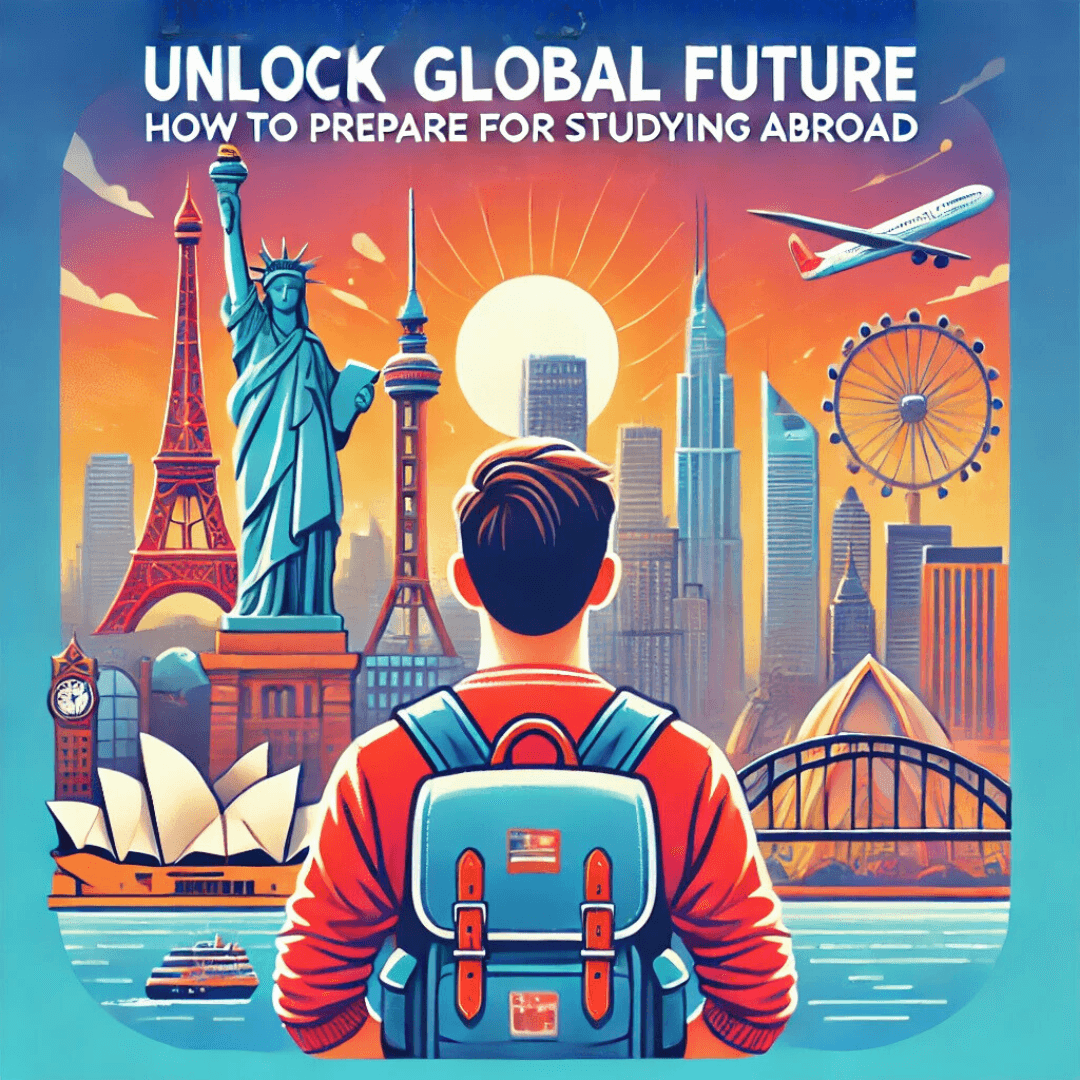
As Brian Tracy, a motivational speaker, once said, “All successful people are big dreamers. They imagine what their future could be, ideal in every respect, and then they work every day toward their distant vision, that goal or purpose.”
Studying abroad is a dream shared by millions of students worldwide. It’s not just about academic excellence; it’s about personal growth, cultural immersion, and opening doors to countless career opportunities. However, the process can seem overwhelming. From selecting the right destination to understanding entry requirements and managing finances, meticulous planning is essential. In this guide, we’ll walk you through every step to prepare effectively for your study abroad journey.
Step 1: Why Study Abroad?
Understanding your motivations is the cornerstone of your study abroad preparation. Ask yourself: Why do you want to study abroad? Is it for academic excellence, exposure to diverse cultures, or better career prospects?
The benefits of studying abroad include:
Access to high-quality education and renowned universities.
Exposure to different cultures, languages, and perspectives.
Enhancement of your global mindset and adaptability.
Better employment opportunities with international experience.
Choosing the right destination will shape your experience. Whether you prefer the academic rigor of the UK, the innovative education system of Germany, or the multicultural environment of Canada, ensure your choice aligns with your personal and academic goals.
Step 2: Choosing Your Study Destination
Selecting the right destination can be challenging but is crucial for a fulfilling study abroad experience. Factors to consider include:
Tuition Costs: Research tuition fees and evaluate affordability.
Living Expenses: Assess the cost of living in potential destinations.
Career Opportunities: Investigate post-graduation job prospects.
Safety and Welfare: Ensure the country prioritizes student safety.
Popular destinations include Australia, Canada, Germany, the UK, and the US. Use tools like QS World University Rankings and official country guides to gather information. Matching your lifestyle with the destination’s culture will enhance your overall experience.
Step 3: Getting Started
Once you’ve chosen your destination, focus on selecting a program and university. Here’s how:
Research Programs: Explore programs that align with your academic interests and career goals.
Check University Rankings: Consider global and subject-specific rankings.
Review Admission Requirements: Visit official university websites for detailed application guidelines.
Shortlist Universities: Narrow down institutions based on academic reputation, facilities, and location.
Submit applications well before deadlines to avoid last-minute hassles. Remember, the application process varies by country and university.
Step 4: Understanding Program Durations
The duration of your study abroad program depends on the level of education and type of program:
Undergraduate Degrees: Typically three years in the UK and four years in the US.
Graduate Degrees: One to two years for master’s programs.
Doctoral Programs: Three to four years for PhDs.
Short-Term Programs: Options like semester exchanges or summer courses are also available.
Consult university websites for details about program lengths and available options.
Step 5: Timing Your Application
Applying early increases your chances of securing admission. For undergraduate programs, start preparing 18 months in advance. Most programs starting in the fall (September/October) have application deadlines between January and July of the same year.
Keep a checklist of required documents and deadlines to stay organized.
Step 6: Entry Requirements
Entry requirements vary significantly across countries and institutions. Generally, students need:
Proof of secondary education for undergraduate programs.
Recognized qualifications for graduate studies.
Standardized test scores like SAT, GRE, or GMAT, as applicable.
Language proficiency tests such as IELTS or TOEFL.
Verify your qualifications’ acceptance in your target country and ensure you meet specific requirements for your chosen program.
Step 7: Required Documentation
Prepare the following documents for your application:
Passport: Ensure it is valid for the duration of your stay.
Statement of Purpose (SOP): Highlight your academic goals and motivations.
Resume/CV: Showcase your academic and extracurricular achievements.
Letters of Recommendation: Obtain from teachers or employers.
Academic Transcripts: Provide proof of prior education.
Test Scores: Include results from English proficiency or admission tests.
Organize these documents meticulously to avoid delays.
Step 8: Language Requirements
Language proficiency is crucial for success in international education. If your course is in English and it’s not your first language, you’ll need to pass a recognized language test. Ensure you:
Confirm accepted tests with your chosen institution.
Prepare thoroughly using practice materials and language classes.
Non-English speaking countries might require proficiency in their native language, so plan accordingly.
Step 9: Post-Acceptance Preparation
Once you’ve received your acceptance letter, focus on these critical tasks:
Student Visa: Apply early to avoid delays. Prepare for interviews if required.
Accommodation: Explore options like university dormitories, private rentals, or host families.
Funding: Secure scholarships, financial aid, or part-time work opportunities.
Travel Arrangements: Book tickets and ensure you have all necessary travel documents.
Packing: Pack essentials, keeping cultural and climatic differences in mind.
Pre-Departure Orientation: Attend university-organized sessions for guidance.
Benefits of Studying Abroad
Studying abroad transforms students into global citizens by fostering:
Enhanced academic and personal growth.
Stronger problem-solving and communication skills.
Improved adaptability and cultural sensitivity.
Broadened career opportunities and global networks.
Final Thoughts
As Brian Tracy wisely said, “A clear vision, backed by definite plans, gives you a tremendous feeling of confidence and personal power.” By following this guide, you can plan your study abroad journey with confidence. Embrace this life-changing experience and unlock your potential on a global scale.
If you found this guide helpful, please share it and leave a comment below with your learnings!
Book Your FREE Face-2-Face Consultation Session
Click HERE


Created with © systeme.io