
Tissue Engineering: Crafting the Future of Medicine – Career Insights & Opportunities
Today we're diving into a field that's not just science fiction anymore—it's science fact. Imagine a world where damaged organs can be replaced, not with transplants from donors, but with lab-grown tissues. Sounds like a sci-fi movie, right? Well, welcome to the fascinating world of Tissue Engineering!
If you're a Gen Z listener passionate about biology, technology, and making a tangible difference in people's lives, this episode is tailor-made for you. So, let's embark on this journey to explore how Tissue Engineering is revolutionizing medicine and how you can be a part of this groundbreaking field."
Hello all, I am Kapeel Gupta, founder of study abroad academy. I am on a mission to coach and mentor 100,000 high school students and help them realize their dream of studying in the best universities of the world and build happy and successful careers for themselves.

Segment 1: Understanding Tissue Engineering
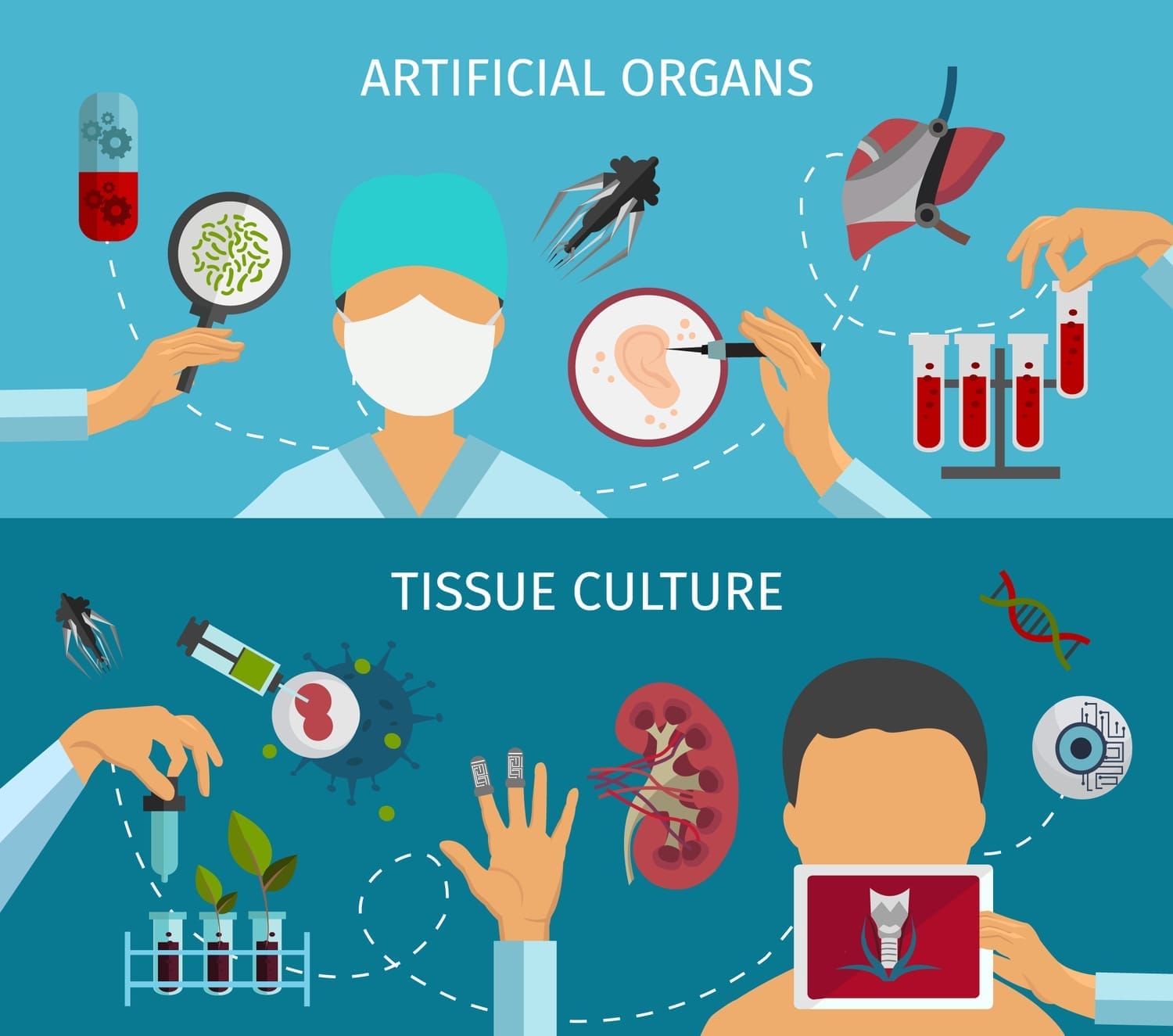
"So, what exactly is Tissue Engineering? In simple terms, it's a field where science meets innovation to create biological substitutes that restore, maintain, or improve tissue function. Think of it as building tissues in a lab using a combination of cells, engineering, and materials methods.
Imagine using 3D printing to create a scaffold, seeding it with cells, and then growing a new organ. It's like gardening, but instead of plants, you're growing human tissues. This field is at the forefront of regenerative medicine, aiming to solve the shortage of organ donors and improve the quality of life for countless individuals."
Segment 2: Scope in India and Abroad
"Now, let's talk about the opportunities in Tissue Engineering, both in India and globally.
In India, the field is gaining momentum with institutions like the Indian Institute of Technology (IIT) Madras, IIT Delhi, and the National Institute of Mental Health and Neurosciences (NIMHANS) leading research in this area. The government's push towards biotechnology and healthcare innovation is opening new avenues for tissue engineers.
Globally, countries like the USA, UK, Germany, and Japan are investing heavily in regenerative medicine. Universities such as Harvard, MIT, and Stanford are at the cutting edge of research, offering advanced programs and research opportunities. The demand for skilled tissue engineers is on the rise, making it a promising career path for those willing to explore international prospects."
Segment 3: Nature of Work
"So, what does a Tissue Engineer do on a daily basis?
Research and Development: Designing and conducting experiments to develop new methods for growing tissues and organs.
3D Bioprinting: Utilizing advanced 3D printing technologies to create scaffolds that mimic the structure of human tissues.
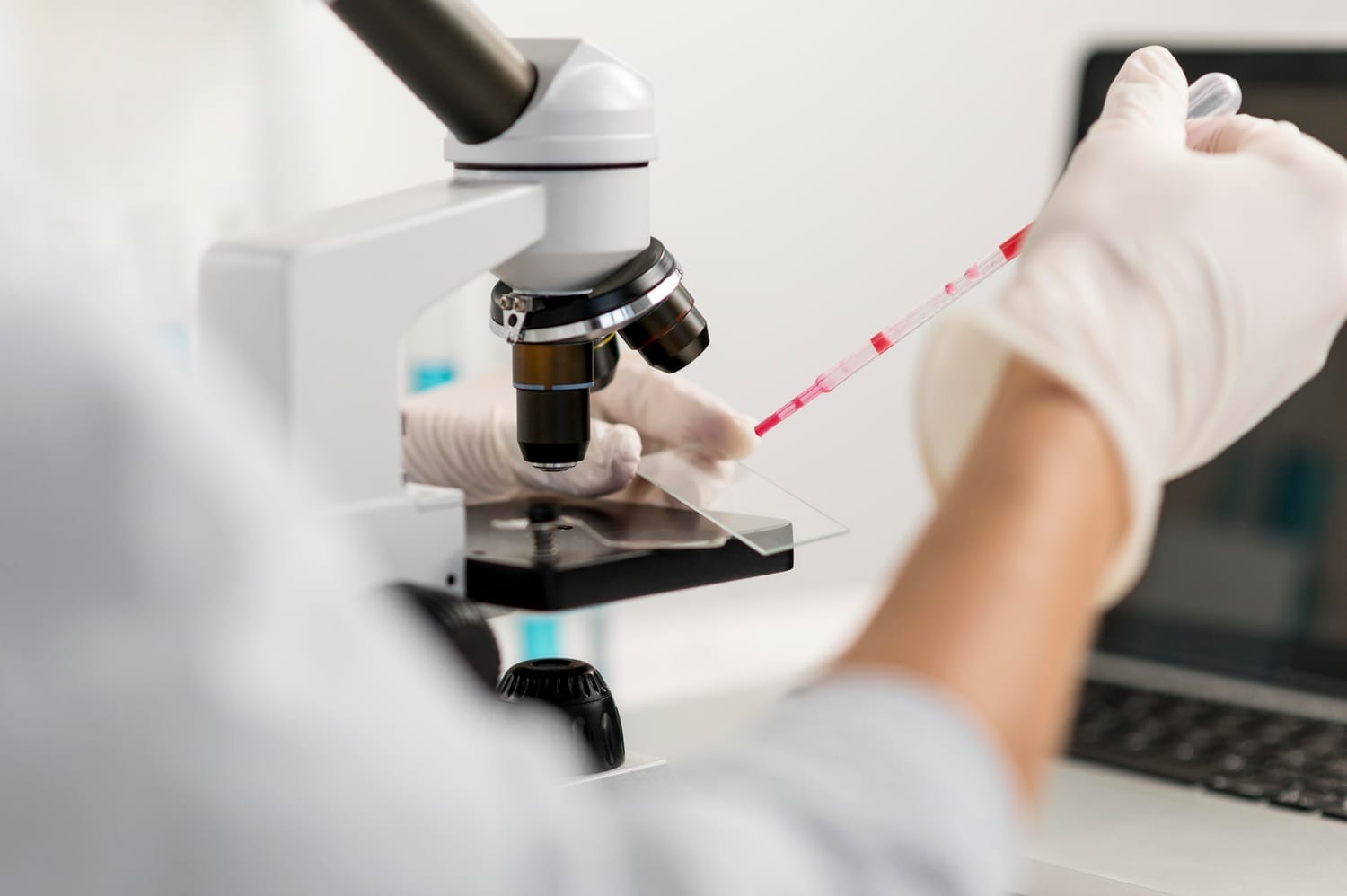
Cell Culture: Growing and maintaining cells in controlled environments to be used in tissue development.
Collaboration: Working with a multidisciplinary team of biologists, engineers, and medical professionals to bring innovations from the lab to the clinic.
Work environments can vary from research labs in universities to biotech companies and hospitals. It's a field that requires a blend of creativity, precision, and a deep understanding of biological systems."
Segment 4: Skills and Educational Qualifications Required
"To embark on a career in Tissue Engineering, here's what you need:
Educational Path:
Undergraduate Degree: A bachelor's in Biomedical Engineering, Biotechnology, or a related field.
Postgraduate Degree: A master's or Ph.D. specializing in Tissue Engineering, Regenerative Medicine, or related disciplines.
Top Indian Institutes:
· IIT Madras
· IIT Delhi
· NIMHANS
· Manipal University
Top International Institutes:
· Harvard University
· Massachusetts Institute of Technology (MIT)
· University of Cambridge
Essential Skills:
· Strong foundation in biology and engineering principles.
· Proficiency in laboratory techniques and 3D printing technologies.
· Analytical thinking and problem-solving abilities.
· Effective communication skills for interdisciplinary collaboration.
Remember, this is a field where continuous learning is key. Staying updated with the latest research and technological advancements is crucial."
Segment 5: Salary in India and Around the World
"Let's talk numbers.
In India, entry-level positions in Tissue Engineering can expect salaries ranging from ₹3 to ₹6 lakhs per annum. With experience and specialization, this can go up to ₹10 lakhs or more.
Internationally, especially in countries like the USA, the average salary for a Tissue Engineer is around $71,000 per year. In the UK and other European countries, salaries vary but are generally competitive, reflecting the high demand for skilled professionals in this field.
It's important to note that salaries can vary based on factors like education, experience, location, and the specific organization."
Segment 6: Conclusion
"Tissue Engineering is not just a career; it's a mission to transform lives. As a Tissue Engineer, you have the opportunity to be at the forefront of medical innovation, contributing to solutions that can alleviate suffering and save lives.
For the Gen Z listeners out there, if you're passionate about science, technology, and making a real-world impact, this field offers a fulfilling and dynamic career path.
Remember, the journey won't be easy, but the rewards—both personal and professional—are immense. So, take that first step, explore educational opportunities, seek internships, and never stop learning.
I hope you find this blog useful. I would request all of you to please write comment and give feedback. This also helps in our learnings and we get to prepare content that is most required by our readers.
If you would like to listen to the blog/podcast on 'The Kapeel Gupta Career PodShow' , then click Here
Book Your FREE Face-2-Face Consultation Session
Click HERE


Created with © systeme.io